Zuluk Silk Route Tour Package

Zuluk Silk Route Tour Package
Duration 6 Days / 5 Nights
Location Gangtok, East Sikkim
Group Size 2 to 10 People
Difficulty Medium
Starting From ₹20,000 Per person

The Zuluk Silk Route tour takes you deep into East Sikkim. Long ago, this route carried wool, salt, and spices between India and Tibet. War closed the route in 1962. It stayed shut for decades. Then a few homestays opened in the village of Zuluk. That small step turned an old trade path into one of the best road trips in the Eastern Himalayas.

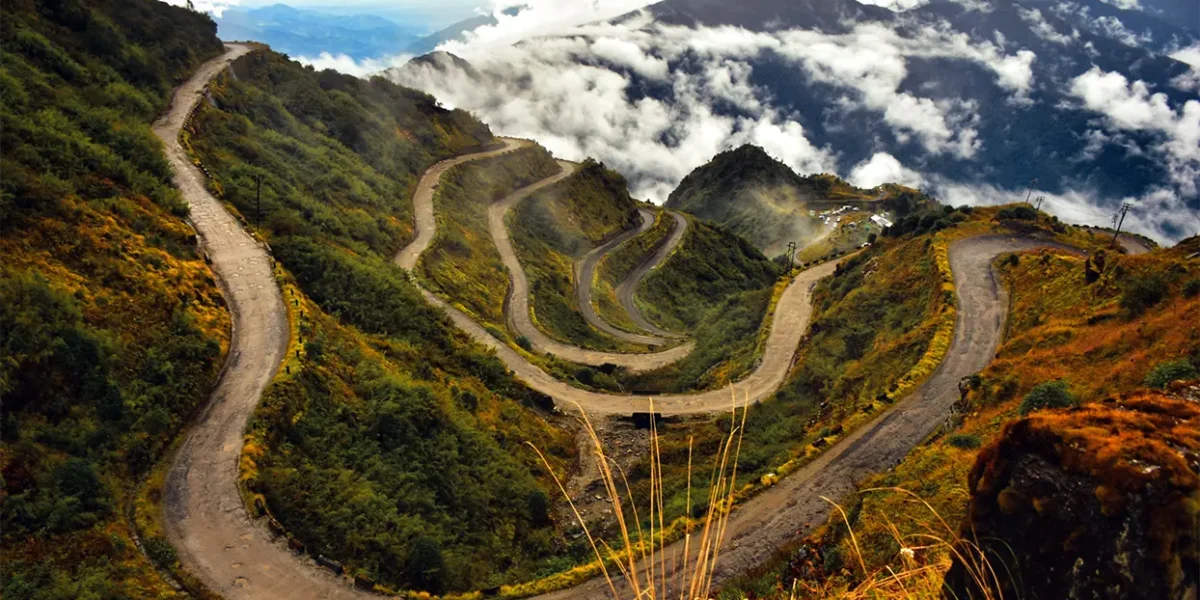
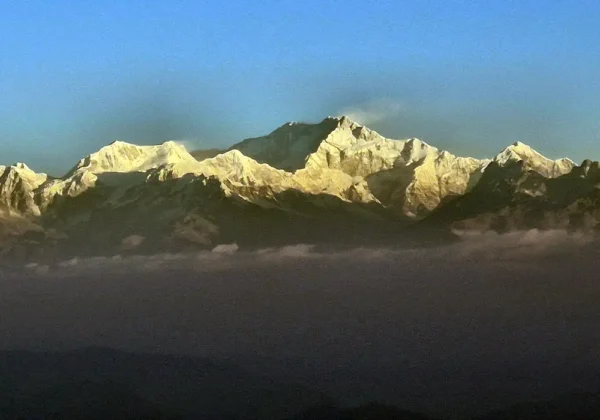
Over six days, you will drive through 32 sharp bends cut into a bare hillside. You will watch the sun light up the Kanchenjunga range from Thambi Viewpoint. You will spend a night in Nathang Valley, a high, open bowl often called the Ladakh of the East. Along the way you will stop at Kupup Lake, the old Baba Mandir shrine, and Tsomgo Lake. Then the loop brings you back to Gangtok.

This trip is only for Indian citizens. The route runs close to the India China border. Foreign passport holders, including OCI card holders, cannot pass the Rongli checkpoint. If you hold an Indian Voter ID or passport, this trip is open to you. Zeal Adventures takes care of every permit for you.

Permits and Documents You Need in 2026

Sikkim stopped issuing paper permits for the Silk Route in early 2026. Every traveller now needs a digital permit, called a Protected Area Permit. Guards check it by QR code at each military post along the way. A few rules matter most.

Your ID must be a Voter ID card or an Indian passport. Aadhaar and PAN cards are not valid here. Neither one proves citizenship, and this is a border zone. If your child does not hold either document, a birth certificate plus your own valid ID will work instead.

Send your documents to us one to three weeks before travel. We file the permit for you. Walk-in applications get rejected on the spot. There is no way to arrange a permit once you reach Sikkim. You will also need four to six passport size photos for the paperwork.

This rule holds firm for foreign nationals too. No fee or special pass opens the Zuluk, Nathang, or Kupup sector to non-Indian travellers.

For the full rules behind this, including ID requirements and how RAP and PAP differ, see our comprehensive Sikkim permits guide.

Best Time to Visit the Zuluk Silk Route

Spring runs from March to May. Rhododendrons bloom across the bare slopes near Zuluk and Nathang Valley. Days feel mild, between 11°C and 16°C. Mornings stay clear, though haze can build by late April.

Autumn runs from September to November. This is the season most photographers wait for. Skies turn sharp and clean once the rains stop. Kanchenjunga stays visible from Thambi Viewpoint on most mornings. Days sit between 14°C and 16°C, and nights near Nathang Valley drop close to freezing.

Skip the monsoon months of June to August. Rain falls almost daily. Roads wash out often. The views that make this trip worth it vanish behind thick cloud.

Winter runs from December to February. Nathang Valley turns into a frozen bowl, with night temperatures well below zero. Snow makes it look stunning, but roads can shut without warning. Some homestays close for the season too. Winter suits only travellers who can keep their dates flexible.

This seasonal pattern holds across most of Sikkim, not just the Silk Route — see our guide to the best time to trek in Sikkim for how it plays out on our other routes.

Zuluk Silk Route Tour Cost 2026

Price here depends on your vehicle and your homestay standard. Everything above Rongli runs on a small, community owned network, not commercial hotels. Here is how the three tiers compare per person. This covers the full 6 Days / 5 Nights circuit from NJP or Bagdogra.

Package TierVehicleHomestay StandardPrice per Person
BudgetShared Bolero or Sumo, 6 to 8 peopleStandard homestay rooms₹6,499 to ₹8,500
Standard / DeluxePrivate SUV (Bolero, Sumo, or similar)Upgraded rooms with attached bath₹11,000 to ₹15,000
PremiumPrivate Toyota Innova or CrystaBest homestays, hot water geysers, better insulation₹20,000 to ₹28,400

This page shows the Premium tier, starting at ₹20,000. At 3,000 to 4,000 metres, a warm room and hot water matter more than they do in Gangtok. All three tiers include the same permits, meals, and sightseeing. Ask us about a shared budget batch if that suits your group better.

Every package covers transport from NJP or Bagdogra, homestay stays, breakfast and dinner on the route, and full permit processing. The government permit fee itself is small, usually ₹100 to ₹300. The real cost sits in the paperwork behind it. Driver beat permits, green taxes, and the staff time to file everything online add roughly ₹3,800 to ₹4,500 per vehicle. We fold this into your package price rather than billing it as a separate line.

How Difficult Is This Tour

You will not trek on this circuit. A vehicle covers every stretch, even the climb to Nathang Valley. Even so, this is not a soft sightseeing trip. Gangtok sits at 1,646 metres. By night two, you sleep at Zuluk, 3,048 metres up. By night three, you reach Nathang Valley, 4,115 metres up. That is a fast climb in altitude. Mild Acute Mountain Sickness, such as a headache or a queasy stomach, is common even in fit travellers.

We rate this trip Moderate rather than Easy. Drink plenty of water. Skip alcohol at altitude. Tell your driver right away if you feel unwell. Anyone with a heart or lung condition, along with infants and pregnant travellers, should check with a doctor first. We can also shorten the trip to skip the Nathang Valley overnight and descend to Zuluk instead.
Day-by-Day Itinerary

1 Day

Arrival in Gangtok

Your trip starts at Bagdogra Airport or New Jalpaiguri Railway Station. From here, a drive of four to five hours follows the Teesta River upstream. You enter Sikkim at the Rangpo border post. The road then climbs gently into Gangtok, the state capital, at 1,646 metres. Check into your hotel and spend the evening at MG Marg, Gangtok's café lined, walk only street. While you settle in, our team files your permit using the ID details you shared in advance. This step needs a full day to clear before you head toward the border zone.

2 Day

Gangtok to Zuluk via the Old Silk Route

This is the day the real journey begins. Leaving Gangtok, the road passes Pakyong, home to Sikkim's small tabletop airport. Next comes Rongli, at 1,524 metres, the last town with ATMs, shops, and phone signal. Guards scan your QR permit here. Once cleared, the climb turns steep. You will pass the Rongli Dam and the 100 metre Keukhela Falls. The road then runs through the forest belt of Lingtam, with a short stop at Lingtam Monastery. From there it climbs to Padamchen, at 2,438 metres, and finally to Zuluk, a former trading post at 3,048 metres. Zuluk has no hotels, only warm, family run homestays and home cooked meals. This first night at altitude helps your body adjust before tomorrow's push higher.

3 Day

Zuluk to Nathang Valley

Wake before sunrise for the most striking stretch of the whole trip. Just outside Zuluk, the road twists through 32 sharp bends cut into a bare hillside. It climbs fast to Thambi Viewpoint, at 3,658 metres. Time it right, and you will watch the sun light up the full Kanchenjunga range from here. The route then crosses Lungthung and the high, open Tukla Valley, at 3,962 metres. You will pass the Eagle's Nest Bunker, a scarred, empty army post from the 1962 war. It offers sweeping views toward the Tibetan plateau. By early afternoon, you reach Nathang Valley, at 4,115 metres. People call it the Ladakh of the East for its bare, treeless look. Spend the day exploring its small monastery and wooden houses. Expect a cold, early night. There is no central heating, only heavy blankets and a wood stove. Temperatures here often drop below freezing.

4 Day

Nathang Valley to Gangtok via Kupup, Baba Mandir, and Tsomgo Lake

Today loops you back toward town while covering some of Sikkim's best known sights. Leaving Nathang, you reach Kupup Lake, at 3,983 metres. Locals call it Bitan Choo, and it is nicknamed Elephant Lake for its shape. A short drive further brings you to the Old Baba Mandir. The Indian Army keeps this shrine in memory of Sepoy Harbhajan Singh. It draws both soldiers and tourists. You will pass close to the Yak Golf Course, one of the highest golf courses on Earth. From there, the road drops to Tsomgo Lake, at 3,753 metres, a glacial lake that shifts colour through the year. The road then winds back down into Gangtok. A hot shower and a proper bed feel well earned after two nights at altitude.

5 Day

Gangtok Sightseeing

After three full days on the road, day five stays close to Gangtok at an easy pace. Local sightseeing here usually runs as a half day or full day taxi circuit. Stops often include Enchey Monastery or Rumtek Monastery. The Namgyal Institute of Tibetology, with its Tibetan artefacts, and the nearby Do Drul Chorten stupa are common too. Depending on your package, you may also visit the Gangtok Ropeway and the Flower Exhibition Centre. Viewpoints like Tashi View Point, Ganesh Tok, and Hanuman Tok are common stops too. Each offers a clear view of Kanchenjunga on a good morning. The evening is free for shopping at MG Marg, where local tea and handicrafts make good last minute buys.

6 Day

Departure

After breakfast, head back down the Teesta valley toward New Jalpaiguri or Bagdogra. The drive takes roughly four to five hours, depending on traffic. Start early. This leaves a comfortable buffer before your flight or train. Hill roads run slower than you expect during busy travel months.

What's Included

  • Pickup and drop from NJP railway station or Bagdogra Airport
  • Private vehicle for the full loop: Gangtok to Zuluk to Nathang Valley to Gangtok
  • 5 nights of stay (1 night Gangtok, 1 night Zuluk homestay, 1 night Nathang Valley homestay, 2 nights Gangtok)
  • Breakfast and dinner every day of the tour
  • Full Protected Area Permit (PAP) processing and paperwork
  • All sightseeing listed in the itinerary, including Tsomgo Lake, Baba Mandir, Kupup Lake, and Gangtok viewpoints
  • Driver allowance, fuel, toll, and parking charges
  • All government taxes on the vehicle and permits

What's Excluded

  • Lunches, unless you add these to your package
  • Personal spends such as laundry, calls, and tips
  • Yak or pony rides, cable car tickets, and other paid extras at Tsomgo Lake
  • Nathu La Pass permit and visit, available as a paid add on
  • Travel insurance and medical evacuation cover
  • Camera or drone fees at monasteries or viewpoints, where charged
  • Anything not listed under inclusions above

Tour Location

No reviews yet. Be the first to share your experience after travelling with us!

Share Your Experience

Completed this tour or trek with us? We would love to hear about your journey.

Not shown publicly

Rate Your Experience

Overall Experience *
Service Quality
Guide & Team
Value for Money

Frequently Asked Questions

Yes. The whole Zuluk-Nathang-Kupup sector needs a Protected Area Permit. In 2026, this is a digital QR pass only. You cannot get one on arrival. Send your documents to us one to three weeks before travel, and we handle the rest.

No. Anyone without Indian citizenship cannot pass the Rongli checkpoint. This includes OCI card holders and citizens of Nepal and Bhutan. No fee or special permit changes this. The route sits too close to the India China border.

No. Only a Voter ID card or an Indian passport works for this permit. Aadhaar proves where you live. PAN is a tax document. Neither proves citizenship, which is what a border zone permit needs. Children without either document can travel on a birth certificate plus a parent's valid ID.

Gangtok itself carries little risk. The overnight stay at Nathang Valley, 4,115 metres up, is a different story. It brings a real risk of altitude sickness for elderly travellers, infants, and anyone with a heart or lung condition. Tell us in advance. We can adjust your route to skip the Nathang Valley overnight and return to Zuluk or lower ground instead.

Spring, from March to May, and autumn, from September to November, offer the clearest skies and the safest roads. Skip the monsoon months of June to August, when landslides and low visibility are common. Winter brings snow and striking views, but also unpredictable road closures.

Rongli is the last town with reliable ATMs and phone signal. Past that point, only BSNL gives patchy coverage. Airtel and Jio barely work between Sherathang and Nathang Valley. Carry enough cash from Gangtok or Rongli. The whole upper route runs on cash only.

There are no restaurants above Rongli. Homestays cook simple, hearty meals: rice, dal, egg curry, momos, and warming soups like thukpa. Both vegetarian and non-vegetarian food is available, though choices stay limited to what can reach the mountain. Tell us about any dietary needs when you book.

Independent travel is heavily restricted here. Since 2026, your permit must link to one vehicle and one travel date. Only a registered operator, like Zeal Adventures, can file it. Self-driving your own car is technically possible, but the local paperwork is heavy enough that almost no one attempts it alone.

Pack warm layers. Nathang Valley drops well below freezing at night, even in the shoulder seasons. Bring a good jacket, thermal wear, a torch, a power bank, and any personal medicine. If your doctor has approved it, carry basic altitude relief such as Diamox. High calorie snacks like chocolate, biscuits, and ginger candy help with both energy and mild altitude discomfort.

It runs entirely by vehicle, so no trekking is involved. We still call it Moderate rather than Easy. The fast climb in altitude from Gangtok to Nathang Valley can bring on mild Acute Mountain Sickness, even in healthy travellers. Drink plenty of water, skip alcohol, and tell your driver early if you feel off. That keeps the trip safe and enjoyable.