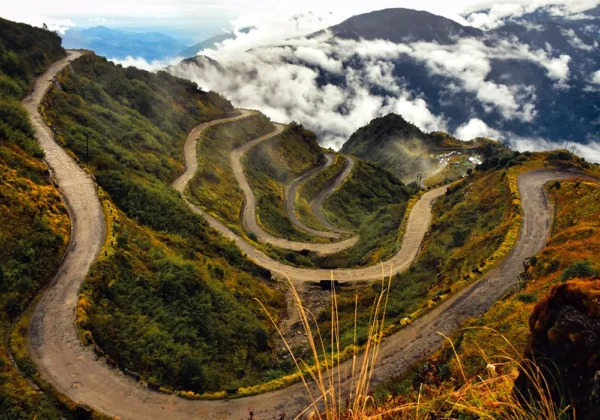
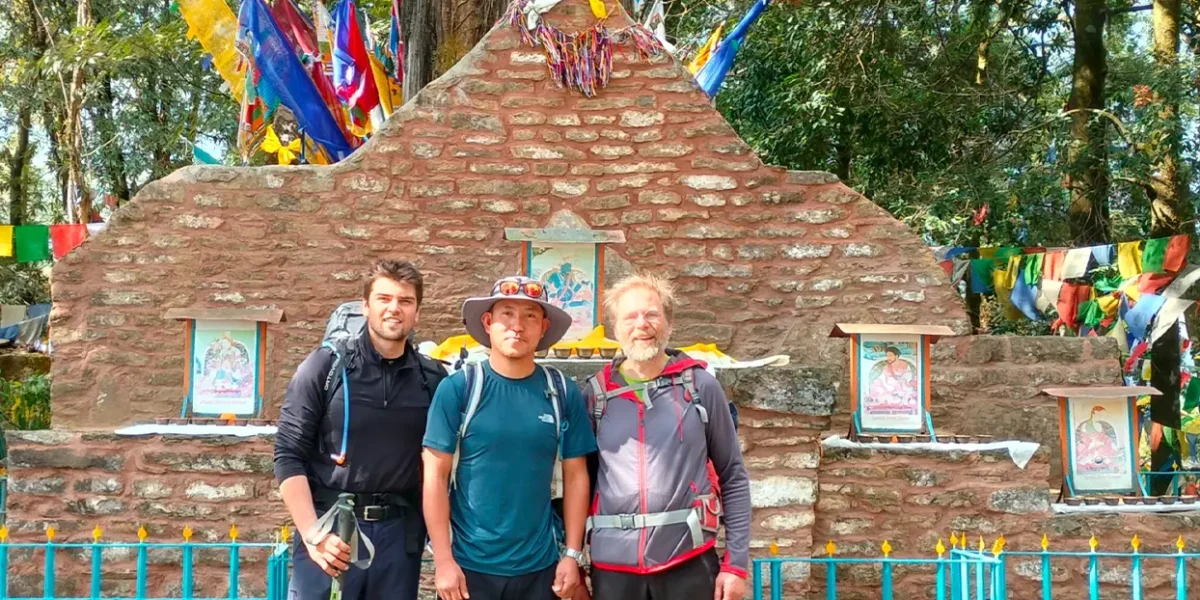
Yuksom and Pelling sit at the heart of West Sikkim, and this five day tour takes you through both, the way a local would show you, not the way a generic blog would. You will hike to monasteries most tourists never hear of, stand at the exact spot where the first king of Sikkim was crowned, visit a waterfall that Google Maps regularly gets wrong, and climb to a statue most travel sites don’t even list.
The Yuksom to Pelling tour package covers two very different sides of the same region. Yuksom is quiet and historic, the birthplace of the Sikkimese kingdom and the trailhead for the Khangchendzonga National Park. Pelling is the region’s viewing gallery, home to the glass skywalk and some of the clearest mountain sunrises in the Eastern Himalayas. This itinerary connects them properly, with a full day dedicated to Yuksom’s real sightseeing circuit rather than a rushed half-day stop.
What makes this tour worth booking:
- Norbugang Coronation Throne, where the Kingdom of Sikkim was founded in 1642
- Dubdi Monastery, the oldest monastery in Sikkim, and the lesser-known Hongri Monastery trail beyond it
- Tsong Elephant Falls and the Colony Helipad, two Yuksom spots most outsiders never find
- Phamrong Falls, the highest waterfall in West Sikkim
- The sacred Khecheopalri Lake and the thundering Kanchenjunga Falls
- Darap, a Limboo cherry village on the way into Pelling
- The 36 foot Sirijunga statue at Chayatal, sacred to the Limboo community
- The Pelling Skywalk, Pemayangtse Monastery, and Rabdentse Ruins
- Local homestays and authentic Sikkimese food like Kinema, Gundruk, and Tongba
Best time to visit Yuksom and Pelling
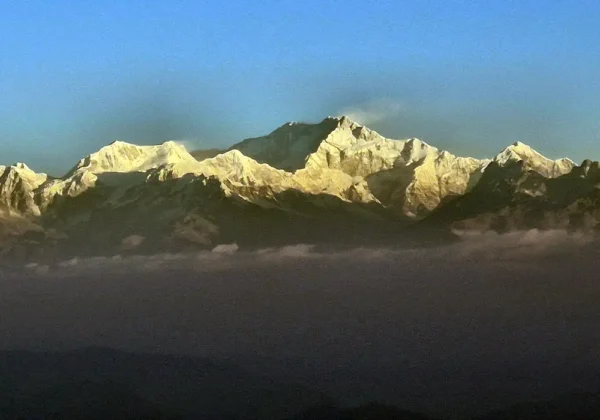
Two seasons work best. Autumn, from October to early December, gives the clearest skies of the year. If witnessing Mount Kanchenjunga and the surrounding ranges from Pelling is a priority for you, this is the season to book, since the post-monsoon air gives the sharpest, most unobstructed mountain views of the year. Spring, from March to May, brings blooming rhododendrons and pleasant days, and is the better choice if flowers matter more to you than guaranteed clear peaks. Avoid June to September. The monsoon brings heavy rain, landslide risk on the mountain roads, and slippery forest paths, and it also buries the mountain views in cloud, which is also why we don’t recommend the optional hiking extensions during this window.
Who this tour is for
This package suits most travellers. It’s a vehicle-based tour with only a few short walks along the way, including two genuine but short climbs, one at Dubdi Monastery and one at the Sirijunga statue in Chayatal. Reasonably fit travellers of most ages can manage the whole circuit at a comfortable pace. If you’d like real hiking, such as the Hongri Monastery trail or the hike to Sigey Pokthang Pokwa, that’s available as a separate extra day with its own guide, not part of the standard tour.
Permits
Indian travellers need no permit at all for this tour. Carry a valid photo ID (a voter ID, passport, or driving license works best; Aadhaar is sometimes rejected at checkposts), since some sites ask for it when you buy an entry ticket.
Foreign nationals, OCI, and PIO cardholders need a Sikkim Inner Line Permit (ILP) to enter the state for sightseeing like this. This is a separate, simpler permit from the Restricted Area Permit, Protected Area Permit, or Trekking Permit, which only applies to travellers heading into high-altitude zones like the Dzongri or Goechala treks. Since this package is sightseeing only, you won’t need that additional permit unless you choose to extend into one of those treks. We help coordinate the ILP paperwork as part of your booking.
For the full RAP/PAP process, ID rules, and how this compares to trekking permits, see our comprehensive Sikkim permits guide.